Modular construction is praised for its speed, flexibility and quality, but none of that matters without the right standards behind it. To keep its users safe, every modular building must be designed to meet a wide range of regulations.
At Paragon Space, we take compliance seriously because, while it is a legal requirement, it also helps us create highly functional buildings that your team can rely on. Whether your space is being used for education, healthcare, offices or something more specialised, regulations help make sure the finished building is fit for purpose.
Why building regulations matter in modular construction
It is easy to think of building regulations as a box-ticking exercise, but they are much more important than that. They are there to keep the people who use the building every day safe.
A modular building should be solid, safe and comfortable. It should stay warm in winter, allow fresh air to circulate properly and provide easy access for everyone who needs to use it. It should also be built in a way that reduces risks, whether that means lowering the chance of fire spreading, preventing moisture problems or making sure electrical systems are safe.
Because modular buildings are manufactured in controlled factory settings, there is more opportunity to maintain consistent standards throughout the build. The controlled environment helps us make high-quality buildings, but it also means every detail is considered carefully from the start.

What do building regulations for modular buildings cover?
There are quite a few areas that fall under building regulations, and each one plays its own part in shaping a safe and usable building. In simple terms, they cover:
Structural safety
Fire safety
Resistance to contaminants and moisture
Toxic substances
Resistance to sound
Ventilation
Sanitation, hot water safety and water efficiency
Drainage and waste disposal
Heat-producing appliances
Protection from falling, collision and impact
Conservation of fuel and power
Access to and use of buildings
Glazing safety
Electrical safety
That might sound like a long list, but each point is there for a reason. Structural regulations help make sure the building is strong and stable. Fire safety regulations help protect people in an emergency. Ventilation and moisture control affect air quality and comfort. Energy regulations help improve efficiency and reduce running costs.
Put simply, these standards help modular building manufacturers make buildings that are safe to use and pleasant to spend time in. That matters just as much in a modular building as it does in any traditional build.
The organisations that help shape standards
There are a number of organisations and industry bodies that influence the standards, guidance and expectations around modular buildings in the UK. Some are directly linked to building regulation, while others support best practice and wider improvement across the built environment.
Construction Industry Council (CIC)
The CIC creates policies that shape built environments so that they meet the needs and expectations of modern society. As a collective of construction experts, this organisation aims to enhance the industry to enable a greater positive impact on the world through responsible construction.
Department for Communities and Local Government (DCLG / MHCLG)
Historically known as the DCLG (and operating today as the Ministry of Housing, Communities and Local Government), this government department sets the essential ground rules for all types of building contracts. They make sure buildings are structurally sound and equipped perfectly for safe power and fuel usage.
Building Control Alliance (BCA)
It isn’t just the initial condition of a building that matters, as its ongoing upkeep is also crucial. The Building Control Alliance monitors the maintenance of buildings to check that they remain safe and accessible, as problems and deterioration can occur over time.
Association for Specialist Fire Protection (ASFP) & BAFSA
Fire safety is absolutely non-negotiable. The ASFP focuses entirely on passive fire safety, like ensuring walls and doors are appropriately fire-resistant. They work closely with the British Automatic Fire Sprinkler Association (BAFSA), who make sure active systems, like sprinklers, are installed perfectly and ready to work if ever needed.
Department of Health and Social Care
Buildings should actively support human well-being. The codes influenced by the Department of Health ensure we use non-toxic materials and install great ventilation. This prevents buildings from posing any risk to people with respiratory conditions like asthma, which is especially important for the modular schools and healthcare clinics we build.
UK Green Building Council (UKGBC)
Looking after our environment is more important than ever, and Paragon Space is passionate about supplying sustainable buildings. The UKGBC’s mission is to help the construction industry go green. They support the ongoing improvement of new builds and explore innovative ways to protect our beautiful planet.
Zero Carbon Hub
Originally created to support the UK's commitment to achieving net-zero carbon emissions by 2050, the Zero Carbon Hub played a massive role in shaping modern energy efficiency standards. The organisation closed in 2016 but continues to offer valuable online guidance for the manufacturing of carbon-zero homes and buildings.
Gas Safe Register & Oil Firing Technical Association (OFTEC)
When it comes to heating your new space, safety always comes first. The Gas Safe Register is the official list of engineers legally permitted to carry out gas work. For our clients in more remote, off-grid locations, the Oil Firing Technical Association (OFTEC) sets the gold standard for safe, efficient oil heating systems.
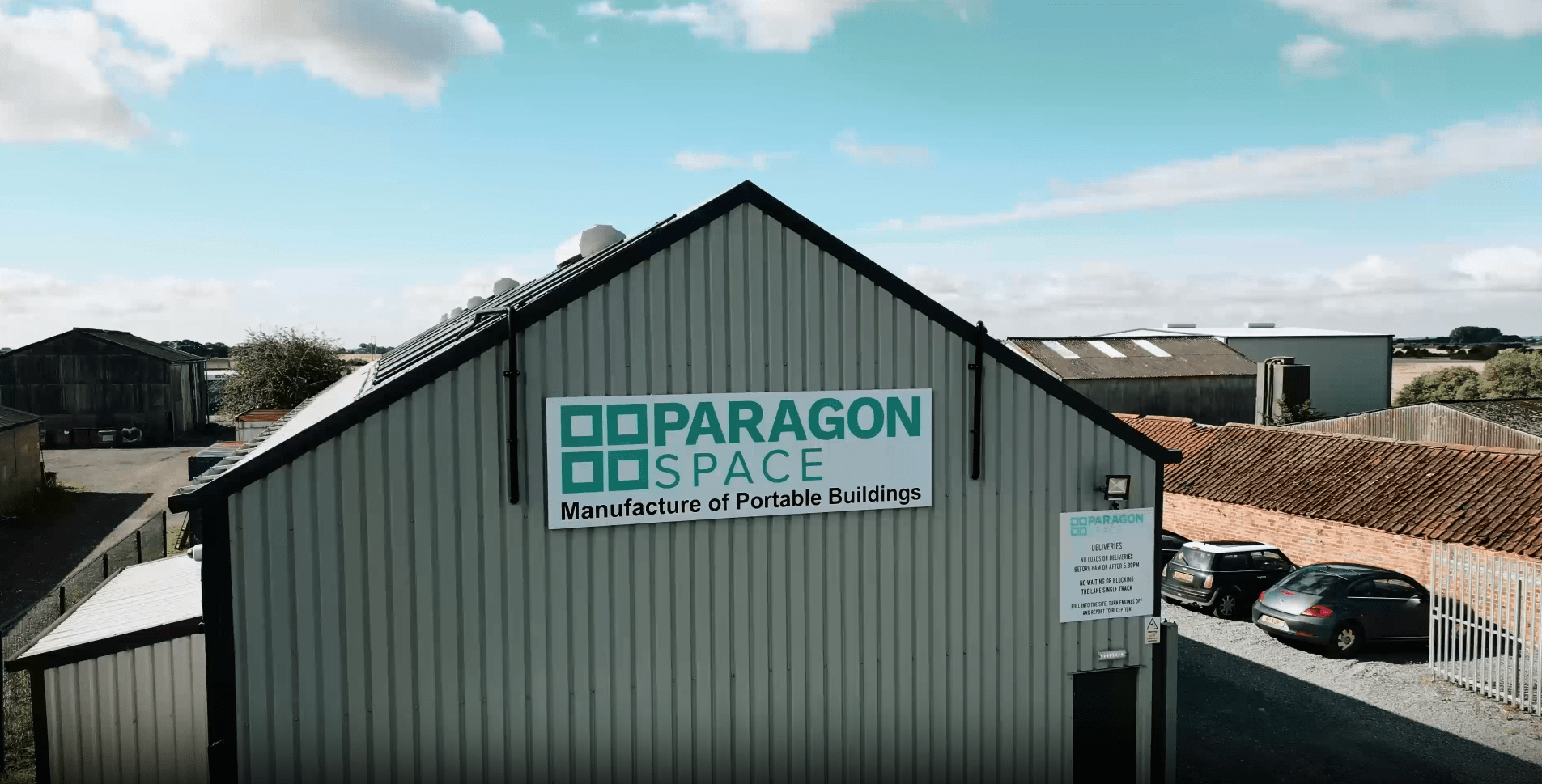
Why this matters for our clients
Building regulations are not just technical details happening in the background. They are part of what gives you confidence in the building you are investing in.
You want to know the space will work properly. You want it to be safe for staff, visitors, students, patients or whoever will be using it day in and day out. You also want reassurance that quality has been taken seriously throughout the process.
That is why compliance matters so much. It helps support better buildings, fewer problems and a smoother experience from installation onwards.
At Paragon Space, we believe good modular construction starts with doing things properly. Regulations are a key part of that. They help us maintain the consistency, safety and quality our clients expect, and they help make sure every building is ready for real-world use.
Talk to Paragon Space
If you are looking into modular buildings and want to know more about quality, compliance and the options available, Paragon Space is here to help. Get in touch with our team today to explore our range.