When people think about modular buildings, they often focus on how quickly they can be designed, manufactured and installed. Whilst speed and flexibility are certainly major advantages, another important consideration is what happens once the building is in use.
Like any permanent building, modular facilities benefit from regular maintenance to keep them looking their best and performing efficiently. The good news is that modern modular construction is designed with durability in mind, meaning ongoing upkeep is straightforward and no more demanding than a traditionally constructed building.
If you’re considering investing in a modular facility, understanding the maintenance requirements can help you to plan ahead, protect your investment and ensure your building continues to perform for many years to come.
Modular buildings are built to last
There’s sometimes a misconception that modular construction is only suitable for temporary accommodation. In reality, modular buildings are engineered to the same high standards expected of permanent buildings and designed to withstand daily use in a wide range of environments.
Whether your building is being used as an office, classroom, healthcare facility, welfare unit or commercial workspace, it will be exposed to changing weather conditions, regular footfall and everyday wear and tear. Like any property, looking after it with routine maintenance will help to preserve its appearance, functionality and value.
Working with an experienced modular building manufacturer like Paragon Space also gives you the confidence that quality materials and proven construction methods have been used from the outset, reducing the likelihood of avoidable maintenance issues later on.
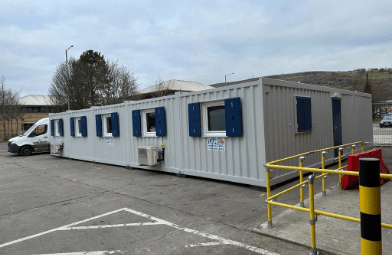
Regular inspections make a big difference
One of the simplest ways to keep your building in excellent condition is through routine inspections. A key part of this is regular visual checks, which allow you to identify minor issues before they become larger and potentially more expensive problems.
Depending on how your building is used, you may choose to carry out inspections monthly, quarterly or as part of your wider facilities management programme.
Areas worth checking include:
Looking after the exterior
The outside of your building is your first line of defence against the elements. Modern external finishes are designed to be durable and weather resistant, but they still benefit from occasional cleaning to remove dirt, algae and airborne pollutants.
Keeping the exterior clean not only helps to maintain a professional appearance but also makes it easier to spot any areas that may require attention. You should also ensure that gutters and drainage systems remain free from leaves and debris. Blocked gutters can prevent rainwater from draining properly, potentially leading to unnecessary water ingress over time. If your building is located near trees or in an exposed environment, carrying out these checks more frequently helps to maintain good performance throughout the year.
Maintaining windows and doors
Doors and windows are amongst the most frequently used parts of any building. Routine maintenance may include cleaning frames and glazing, checking hinges and locks, ensuring that remain intact and confirming that doors open and close smoothly.
Well-maintained seals play an important role in keeping your building energy efficient by reducing unwanted draughts and maintaining comfortable indoor temperatures. If you notice damaged seals, stiff hinges or worn locking mechanisms, arranging repairs promptly will prevent larger issues from developing.
Caring for internal finishes
Inside a modular building, maintenance is generally no different from any other modern workplace. Walls, ceilings and flooring should be cleaned regularly according to the environment in which they’re being used. High-traffic areas may require more frequent attention, as any minor cosmetic damage can often be repaired before it becomes more noticeable.
Furniture, partitions and fitted storage should also be inspected periodically to ensure they remain safe and fit for purpose. If your modular buildings accommodate large numbers of people every day, establishing a planned cleaning and maintenance schedule will keep your facilities looking professional whilst extending the lifespan of interior finishes.
Don’t overlook building services
The structure itself is only one part of the building, as mechanical and electrical systems also require regular attention. Heating, ventilation, air conditioning, lighting, plumbing and electrical installations should all be serviced in accordance with their manufacturers’ recommendations and any relevant regulations. Maintaining these systems not only ensures reliable performance but can also improve energy efficiency and reduce the likelihood of unexpected breakdowns.
If your building includes fire alarms, emergency lighting or other safety systems, routine testing and servicing are essential to maintain compliance and protect staff and visitors.
Preventative maintenance saves time and money
It’s often far more cost-effective to prevent problems than to repair them after they’ve developed. For instance, a planned maintenance programme allows you to schedule Inspections, servicing and minor repairs before they become urgent. This reduces the risk of unexpected disruption whilst helping you to spread maintenance costs more predictably over time.
Preventative maintenance may include cleaning gutters, resealing external joints where required, servicing heating systems and replacing components that naturally wear through everyday use. Rather than waiting until something fails, taking a proactive approach keeps your building operating efficiently throughout its lifespan.
Choosing quality from the very start
One of the best ways to minimise future maintenance is to make informed decisions before construction even begins. Experienced modular building companies understand the importance of specifying durable materials that are suitable for the building’s intended use and environment. High-quality cladding systems, roofing materials, windows and internal finishes all contribute towards reducing maintenance requirements over the long term.
Working with an established modular building manufacturer also gives you access to expert guidance throughout the design process. By selecting appropriate materials and layouts from the outset, you can create a building that’s both practical and straightforward to maintain. This forward-thinking approach often delivers long-term savings, ensuring your building meets your operational requirements for many years.
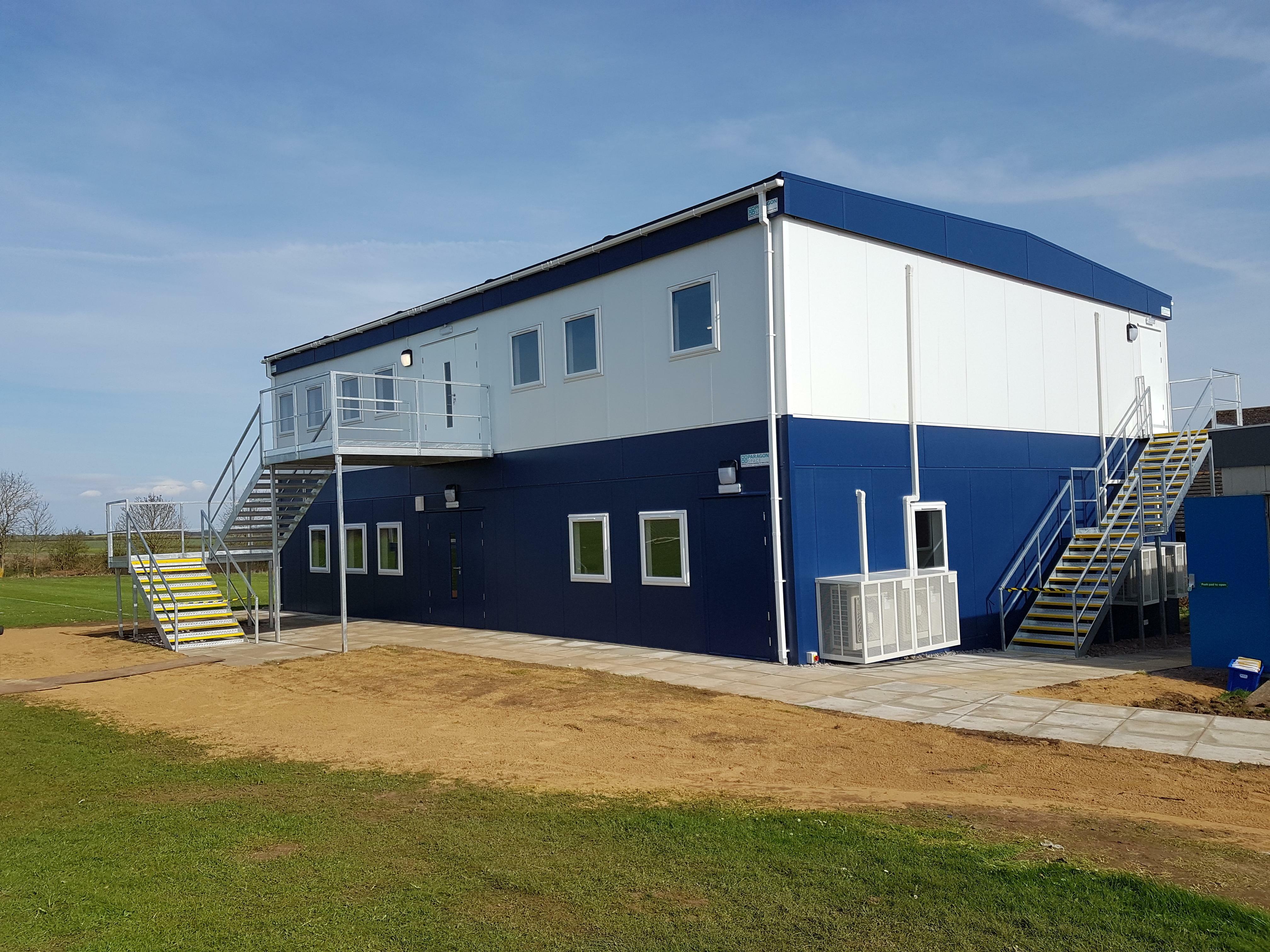
Maintenance supports sustainability
Looking after your building isn’t just about protecting your investment, as it also supports your sustainability objectives. Whilst extending the lifespan of building materials reduces the need for replacements, keeping HVAC and lighting systems operating efficiently can lower energy consumption.
Routine maintenance also allows you to identify opportunities to improve performance over time. Whether that’s upgrading lighting, improving insulation or replacing older equipment with more efficient alternatives, small improvements can make a meaningful difference throughout the building’s life.
Modular buildings are a long-term investment worth protecting
Modern modular construction is designed to provide permanent, high-quality accommodation that performs reliably for decades. Like any building, achieving that performance depends on sensible, routine maintenance rather than major ongoing work.
By carrying out regular inspections, looking after the building’s exterior, servicing essential systems and addressing small issues before they grow, you can protect both your investment and the people who use the building every day.
To find out more, speak to our friendly team today.