Extra space becomes a priority for many organisations at some point. Workloads change, new staff join, equipment outgrows its storage and temporary projects create pressure on an already limited footprint. When that happens, companies usually start comparing portable buildings with modular buildings. Both offer a quicker path to usable space than traditional construction, but each option serves a different purpose.
Understanding where each one fits makes the decision that much easier. A well-matched choice saves time, cuts costs and gives teams a space that genuinely supports their work.
When portable buildings provide the best answer
Portable buildings suit organisations that want a shorter-term solution with minimal interruption to their site. A portable cabin arrives as a ready-made unit, which allows teams to put it to use quickly. The installation process stays simple and the commitment stays low, which is often exactly what a fast-moving project needs.
Companies turn to portable cabins when they need:
Immediate working space for projects that begin before permanent facilities are available.
Temporary teaching or office areas that support short-term spikes in demand.
Welfare rooms and site offices on construction sites where staff need a base from the start.
Continuity during refurbishments so essential services can continue while main buildings are updated.
A building that can move between locations without disrupting day-to-day work.
A compact footprint that fits into tight or awkward site layouts.
Portable cabins support this type of work because they can be installed quickly, repurposed easily and removed when the project ends. They provide clean, secure space without the planning requirements linked to more complex structures.
Why portable cabins support short-term and fast-paced work
The strength of portable buildings lies in their speed and predictability. Once delivered, they connect to utilities and can be occupied soon after, so teams are not waiting months for space that is essential for their daily tasks.
Portable cabins also remove much of the planning pressure. They work well as temporary offices, storage rooms, training areas or additional staff facilities. If a company only needs space for a defined period, a portable building prevents them from investing in features that no longer serve a purpose once the project ends.
Maintenance also stays manageable. Portable buildings are built to face frequent movement, varied weather and constant use. They stand up to tough environments and can continue to support different teams as they move across multiple locations.
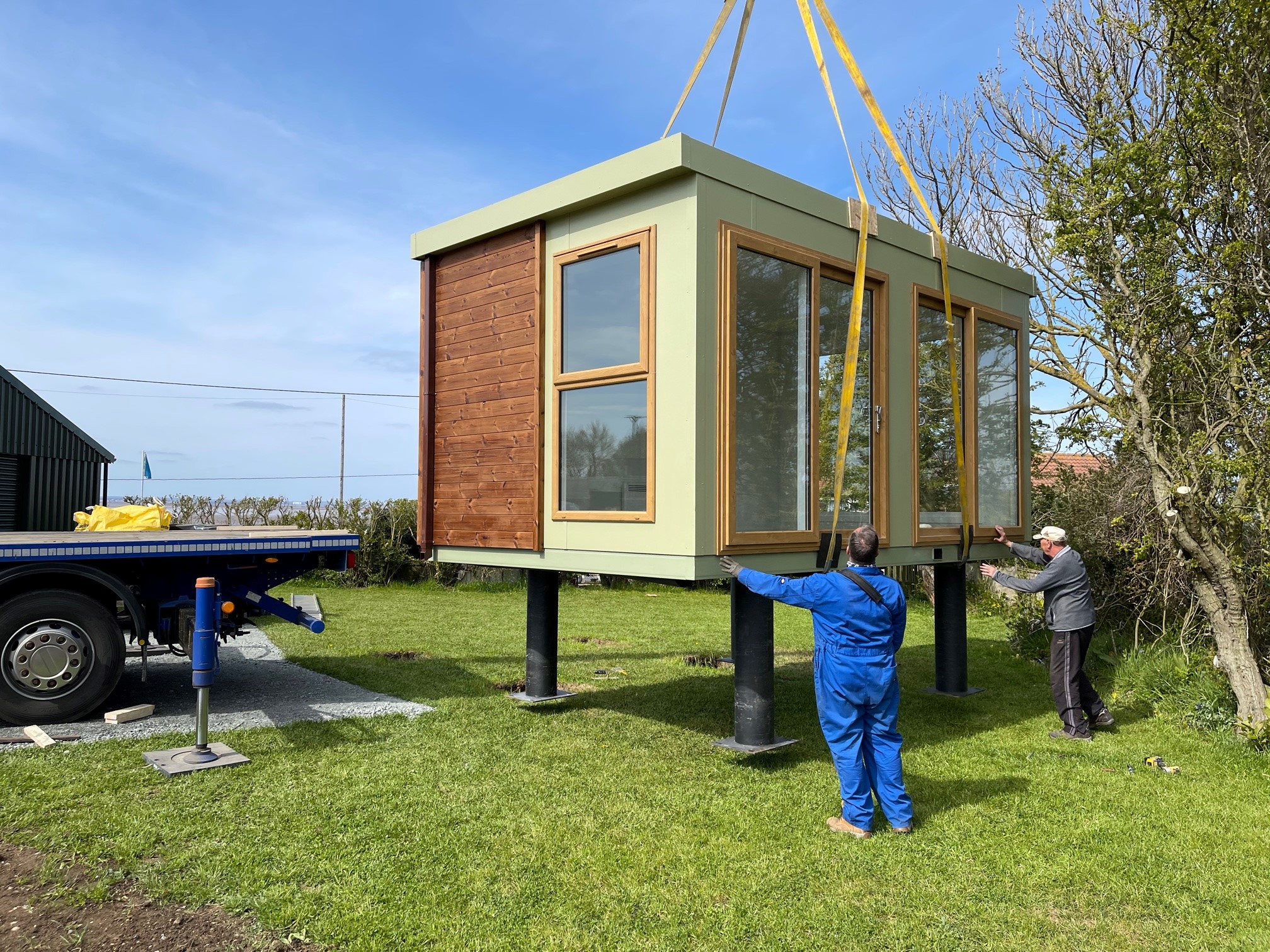
When modular buildings become the stronger choice
Modular buildings suit organisations with long-term plans. They give companies the chance to truly shape the design, layout and specification around how their teams operate. When a business wants a permanent building, modular construction offers that solidity while still delivering a faster turnaround than traditional builds.
Clients often choose modular buildings when they need:
A tailored layout that reflects the flow of their work.
Separate rooms or specialist areas such as meeting spaces, treatment rooms, labs or training suites.
A building that feels polished with internal finishes that match brand identity and daily use.
Space that can grow through additional modules as new departments or teams appear.
Reliable insulation and comfort for environments where people spend long hours.
Long-term value from a structure that can remain on site for many years without losing relevance.
Modular construction supports these goals by giving clients more influence over how each part of the building works. The result is a comfortable and adaptable space that supports stability and future development.
Why modular buildings support growth and stability
Modular buildings offer a different level of comfort and longevity. They feel more like traditional buildings and can meet complex requirements with ease. Whether a client wants a reception area with a specific layout, meeting rooms with acoustic control or a workspace that stays comfortable year-round, modular construction allows that level of tailoring.
The long-term value also stands out. A modular building can stay on site for many years. It can be upgraded, relocated or expanded without losing the original investment. Businesses that want a reliable, durable and adaptable structure often find modular buildings make more financial sense than repeated short-term hires.
Modular construction supports high standards of finish too. The design choices allow each room to feel intentional and well balanced, which helps teams feel settled and confident in their workspace. A building shaped around daily routines makes work smoother and more enjoyable.
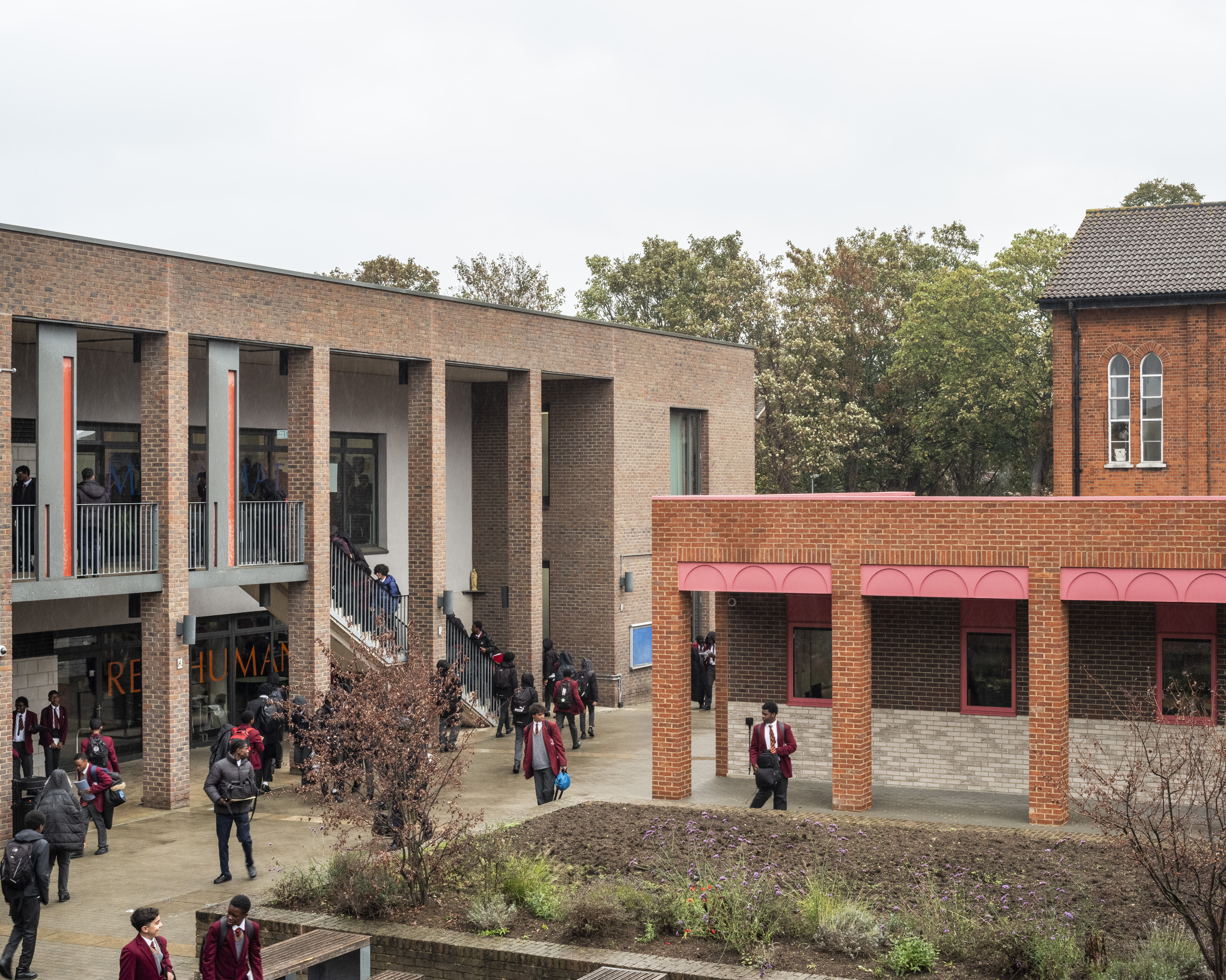
How to decide between portable and modular buildings
Choosing between the two options comes down to a few practical considerations, and each one reveals which direction makes more sense.
If timing drives the project, portable buildings provide the quickest route to usable space. They help sites stay operational and give teams a place to work without delay. They also suit organisations that do not want to commit to a long-term structure because their needs change frequently.
If a company wants a space that feels permanently aligned with its identity and purpose, modular buildings give them the design freedom to achieve it. These buildings support specific layouts and technical requirements. They also grow with the organisation, which creates a sense of stability for teams that rely on the space every day.
The expected lifespan of the building matters too. Portable cabins perform well for temporary or medium-term use, while modular buildings serve as long-term assets. The environment also plays a part. A demanding site with specialist needs often benefits from the strength, insulation and customisation of a modular build.
Finding the right fit for your site
Every project begins with a clear conversation about priorities. Some clients want speed above everything else. Others focus on comfort, design control or long-term value. By working through these needs, the choice between portable buildings and modular buildings becomes clear.
Paragon Space supports both options. We supply portable cabins that help teams get started quickly. We also design modular buildings that give companies a stable and adaptable home for their work. Each project follows a plan shaped around what the client needs rather than a one-size-fits-all approach.
If your organisation is weighing up which direction to take, our team can walk you through it. Get in touch with us today to get started.